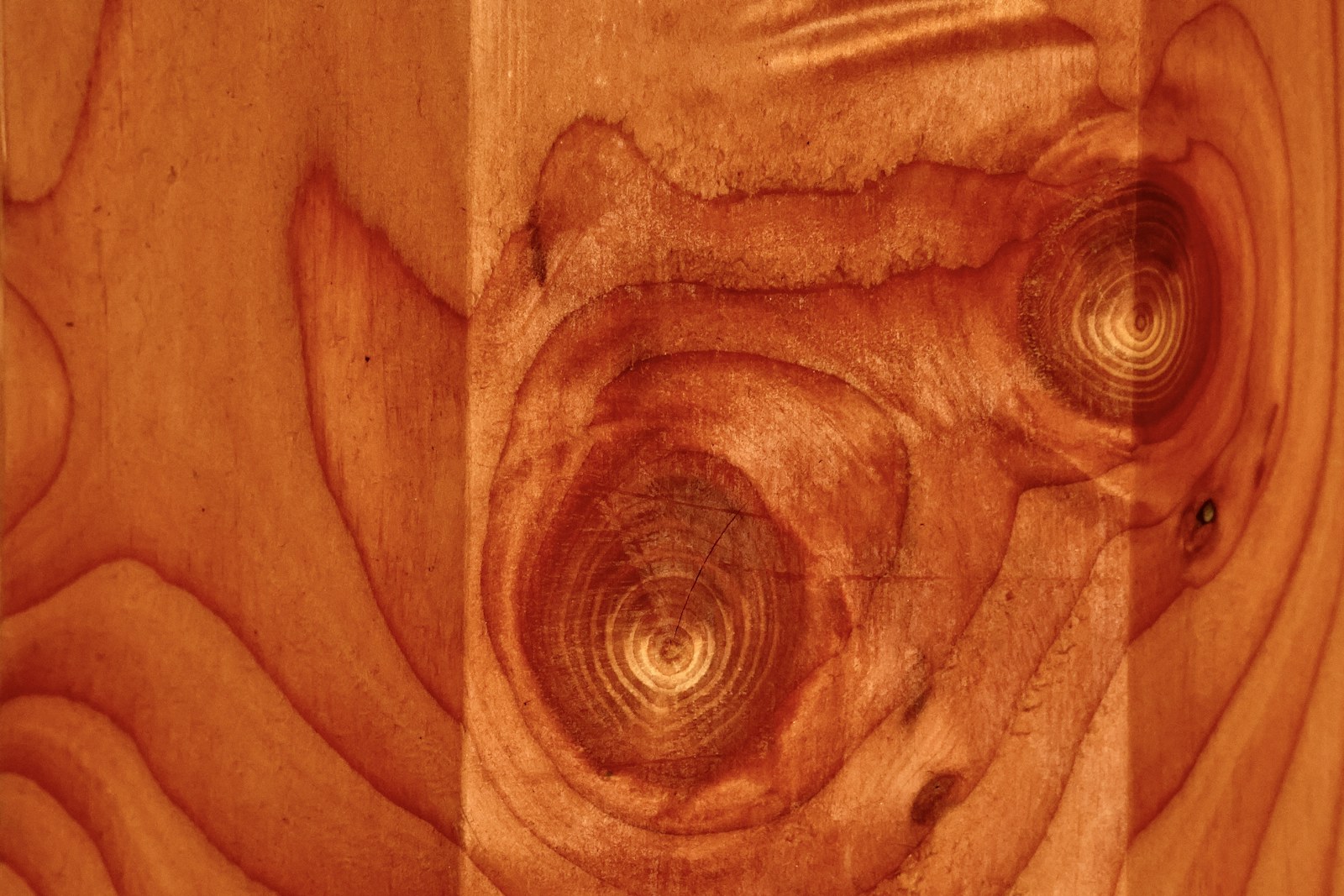
Begin with the environment
Timber is never static. It exchanges moisture with the air, expanding and contracting as the seasons change. In a tropical home, good performance begins with understanding that movement rather than trying to eliminate it.
Species, board orientation, moisture content and the room’s ventilation all matter. A dining top, a cabinet door and a shaped chair frame ask different things of the same material.
Design the movement in
Wide solid panels need construction that lets them move safely. Floating panels, slotted fixings and carefully positioned grain are quiet technical details, but they are the difference between furniture that settles and furniture that fights its environment.
For export projects, we also consider the difference between the production climate in Vietnam and the piece’s final destination.
Finish for use, not appearance alone
A finish should support the way a piece will be touched, cleaned and repaired. Oil systems celebrate grain and are easy to renew; high-performance water-based coatings offer more consistency in demanding hospitality settings.
The right answer is not one universal finish. It is the finish that balances touch, protection, maintenance and the visual direction of the project.